


That’s a very good question, and it’s good that you’re thinking about the practical side of things.
Throughout the academic year, students are assessed in a number of different ways.
This includes regular homework, which can take different forms depending on the subject and the teacher.
Some homework is handwritten.
Some is typed.
Some is completed as quizzes.
For handwritten work, students simply take a clear photo or scan it and upload it.
All of this work is marked, and students receive feedback so they know how they’re doing and where they need to improve.
Alongside that, we use specific diagnostic assessments, particularly in Maths and English.
These are carried out throughout the year.
They allow us to understand a student’s level from the start and then track their progress over time.
So we can see where they’re improving and where they may need extra focus or support.
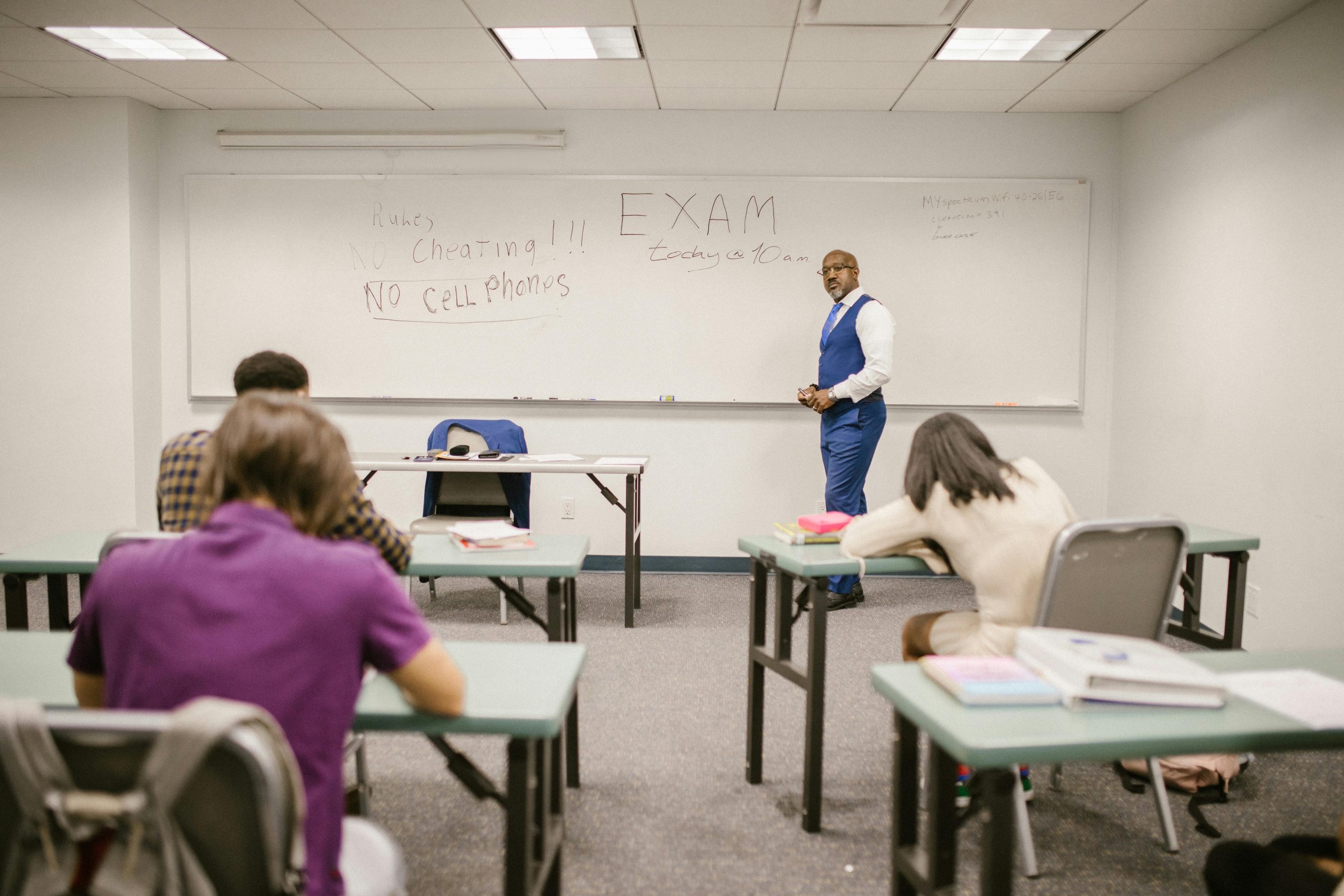
When it comes to internal exams, such as end-of-year assessments, these are done in exam-style conditions.
Students have their cameras on.
Their screens are shared.
They print the exam paper and complete it under timed conditions.
This helps replicate the exam environment as closely as possible.
For formal qualifications, such as GCSEs and A-Levels, these are not set by the school.
They are conducted by the official exam boards.
To sit those exams, students attend a physical exam centre near wherever they live in the world.
So while teaching and preparation happens online, the final recognised exams are sat in person at approved centres, just like any other private or homeschooled student.
That way, students are fully prepared, properly assessed, and receive recognised qualifications.
Your Attractive HeadingThat’s a very good question, and it’s good that you’re thinking about the practical side of things.
Throughout the academic year, students are assessed in a number of different ways.
This includes regular homework, which can take different forms depending on the subject and the teacher.
Some homework is handwritten.
Some is typed.
Some is completed as quizzes.
For handwritten work, students simply take a clear photo or scan it and upload it.
All of this work is marked, and students receive feedback so they know how they’re doing and where they need to improve.
Alongside that, we use specific diagnostic assessments, particularly in Maths and English.
These are carried out throughout the year.
They allow us to understand a student’s level from the start and then track their progress over time.
So we can see where they’re improving and where they may need extra focus or support.
When it comes to internal exams, such as end-of-year assessments, these are done in exam-style conditions.
Students have their cameras on.
Their screens are shared.
They print the exam paper and complete it under timed conditions.
This helps replicate the exam environment as closely as possible.
For formal qualifications, such as GCSEs and A-Levels, these are not set by the school.
They are conducted by the official exam boards.
To sit those exams, students attend a physical exam centre near wherever they live in the world.
So while teaching and preparation happens online, the final recognised exams are sat in person at approved centres, just like any other private or homeschooled student.
That way, students are fully prepared, properly assessed, and receive recognised qualifications.